What is Supraventricular Tachycardia?
Supraventricular tachycardia is a type of arrhythmia that results in a series of rapid heartbeats. The term involves heart arrhythmias that occur above the ventricles (supraventricular) and in the atria. A heart rate that is above 100 beats per minute is typically considered tachycardia, or irregular. While the condition may not be serious or life-threatening, a racing heart can be concerning and should be discussed with Dr. Beshai.
What Causes Supraventricular Tachycardia?
Supraventricular tachycardia (SVT) is often the result of an irregularity in the heart’s electrical signals. Electrical signals are what tell the heart to beat. During supraventricular tachycardia, the electrical signals in the atria fire too early, resulting in the heart beating very quickly. In many cases, there are no obvious causes of the condition, and it often begins during the early 20s or even teen years. Some factors that increase the presence of SVT include:
- Drinking an excessive amount of caffeine or alcohol
- Smoking
- Stress or lack of sleep
- Certain medications like asthma drugs or decongestants
For others, SVT is something they are born with, caused by abnormal heart pathways or an irregular electrical circuit in the heart.
How is Supraventricular Tachycardia Diagnosed?
To have supraventricular tachycardia diagnosed, your provider will begin by reviewing your medical history, discussing when your symptoms happen, and performing a physical examination. An electrocardiogram (ECG) is often the first test used, although your provider may also recommend a Holter monitor, event monitor, or other diagnostic testing to record abnormal heart rhythms during an episode. These tests help identify the specific heart rhythm disorder and determine whether it is paroxysmal supraventricular tachycardia, atrioventricular nodal reentrant tachycardia, sinus nodal reentrant tachycardia, atrial tachycardia, multifocal atrial tachycardia, or another type of supraventricular arrhythmia.
Your physician will also rule out conditions such as atrial fibrillation, other atrial arrhythmias, and more serious ventricular arrhythmias, including ventricular fibrillation, while evaluating for underlying conditions like congenital heart disease or congestive heart failure.
Although SVT rarely leads to sudden cardiac death, an accurate diagnosis is essential for determining the most appropriate treatment. Following clinical practice guidelines developed by the heart rhythm society, your provider may recommend lifestyle changes, including learning to manage stress, medication, or catheter ablation depending on the severity and frequency of your symptoms. Whether you are evaluated in a cardiology office or an emergency medicine setting, early diagnosis helps adult patients receive effective, individualized care.
What are the Symptoms of Supraventricular Tachycardia?
When supraventricular tachycardia is present, causing the heart to beat too quickly, it does not have enough time to properly refill between beats, resulting in the body not getting enough blood to it. This can result in bothersome symptoms such as:
- Chest pain
- Dizziness or lightheadedness
- Weakness and fatigue
- Shortness of breath
- Fainting
Have Inquiries About Our Services?
How is Supraventricular Tachycardia Treated?
Prior to treatment for supraventricular tachycardia, Dr. Beshai will discuss your symptoms and may perform an ECG test to detect a fast heartbeat. Treatment may include lifestyle changes or medications to slow the heart rate. If this does not prove effective, ablation may be recommended. Ablation involves destroying the abnormal tissue responsible for causing SVT. Further monitoring may be needed to ensure treatment is working properly.
Scheduling Your Supraventricular Tachycardia Treatment Appointment
Dr. Beshai offers supraventricular tachycardia diagnosis and treatment to regulate the heart’s electrical signals. If you experience symptoms of a fast heartbeat, contact our office and schedule your appointment at the Heart Rhythm Institute of Arizona.
The Heart Institute of Arizona has a wide array of services that come with our premium care. From in-office dianostics and treatable conditions, to hospital based procedures, we’ve got your heart covered.
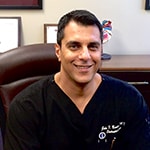
Dr. Beshai is a board-certified electrophysiologist internationally renowned and respected for his expertise and research. Having published in major medical journals and travelled all over the world to present research, he is dedicated to providing innovative, state-of-the-art care to his patients.
- John F. Beshai, MD
- John F. Beshai, MD
- John F. Beshai, MD
- John F. Beshai, MD
- John F. Beshai, MD
- John F. Beshai, MD
- John F. Beshai, MD
- John F. Beshai, MD
- John F. Beshai, MD
- John F. Beshai, MD
- John F. Beshai, MD
- John F. Beshai, MD
- John F. Beshai, MD