
If you are experiencing a rapid or irregular heart rate, you may be dealing with supraventricular tachycardia (SVT), a common but treatable heart rhythm condition. At The Heart Rhythm Institute of Arizona, we provide comprehensive cardiovascular care for patients throughout Glendale, AZ and the surrounding West Valley communities.
Our team, led by board-certified cardiac electrophysiologist John F. Beshai, MD, FACC, FHRS, is experienced in diagnosing and treating SVT using advanced, evidence-based approaches.
If you have concerns about your heart health, we encourage you to take the first step and schedule a consultation or call us at (480) 634-4449.
Understanding Supraventricular Tachycardia
Supraventricular tachycardia is a category of heart rhythm disorders characterized by a fast heart rate that originates above the ventricles, in the upper chambers of the heart. The term “supraventricular” refers to the fact that these abnormal electrical signals begin above the ventricles, distinguishing SVT from other forms of tachycardia, such as ventricular tachycardia.
During an SVT episode, the heart rate may rise significantly above its normal range, often between 150 and 250 beats per minute. This occurs when disrupted electrical pathways cause the heart to beat too rapidly. While SVT is frequently not life-threatening, it can interfere with daily activities, reduce quality of life, and, in some cases, contribute to complications if left unaddressed.
There are several distinct types of SVT, including atrioventricular nodal reentrant tachycardia (AVNRT), atrioventricular reentrant tachycardia (AVRT), and atrial tachycardia. Each type involves a different mechanism of abnormal electrical signaling, and accurate diagnosis is essential to selecting the most appropriate treatment approach.
Risk Factors Associated with SVT
Certain factors may increase a person’s likelihood of developing supraventricular tachycardia. Understanding these risk factors can help patients and physicians make informed decisions about monitoring and care. Common contributors include:
- Excessive caffeine intake
- Alcohol consumption
- Tobacco use
- High blood pressure
- Thyroid disorders
- Anemia
- Heart disease or prior heart conditions
- Sleep disorders, including sleep apnea
- Anxiety and elevated stress levels
- Structural heart abnormalities
A thorough evaluation with our cardiology team helps identify which factors may be influencing your tachycardia and guides the development of a personalized treatment plan.
Recognizing the Symptoms of SVT
Patients experiencing symptoms of SVT often describe a sudden onset of a fast heart rate, sometimes referred to as palpitations. These episodes may last seconds or persist for several hours. Common symptoms include:
- Rapid or pounding heartbeat
- Lightheadedness or fainting
- Shortness of breath
- Chest discomfort or pressure
- Fatigue or weakness
- Anxiety during episodes
Lightheadedness, fainting, or any sudden change in your heart rate should prompt a timely evaluation. While SVT symptoms often resolve on their own, recurrent or prolonged episodes warrant professional assessment to rule out more serious heart conditions.
How Supraventricular Tachycardia Is Treated
The way SVT is treated depends on the frequency and severity of symptoms, the underlying cause, and each patient’s overall health. At The Heart Rhythm Institute of Arizona, we take a personalized approach to cardiovascular care, offering a full range of treatment options.
Medications
For many patients, medications are an effective first step. Beta blockers and calcium channel blockers are commonly used to help slow the heart rate and reduce the frequency of SVT episodes. Other antiarrhythmic medications may also be considered. Our physicians carefully evaluate each patient before recommending any medication regimen, taking into account existing health conditions, blood pressure levels, and other relevant factors.
Cardioversion
In some situations, cardioversion may be used to restore a normal heart rhythm. This procedure involves delivering a carefully controlled electrical impulse to the heart. Cardioversion may be performed in a monitored clinical setting and is typically reserved for episodes that do not respond to other interventions or medications.
Catheter Ablation
For patients with recurrent SVT who have not found adequate relief through medications, catheter ablation may be recommended. This procedure involves threading a thin, flexible catheter through the blood vessels to the heart, where abnormal electrical pathways are identified and carefully treated. Radiofrequency ablation and cryoablation are two approaches used to address the areas of the heart generating abnormal electrical signals. John F. Beshai, MD, FACC, FHRS brings extensive procedural expertise in advanced ablation techniques, and his experience helps ensure a precise, thorough approach to care.
Catheter ablation also has a well-established safety profile, and many patients who have SVT treated through this approach experience a meaningful reduction in episode frequency. Our team will discuss expected outcomes, potential risks, and alternatives during your consultation.
Diagnosing SVT: What to Expect
Accurate diagnosis is the foundation of effective SVT treatment. Our cardiology team uses a range of diagnostic tools to detect and characterize heart rhythm disorders. These may include:
- Electrocardiogram (EKG/ECG): A standard test that records the electrical activity of the heart. An electrocardiogram can capture SVT if an episode occurs during the test.
- Holter Monitor or Event Recorder: Portable devices worn for days or weeks to detect intermittent episodes of tachycardia.
- Blood Tests: Blood tests help identify contributing factors such as anemia, thyroid dysfunction, or electrolyte imbalances that may influence heart rate.
- Electrophysiology Study (EPS): An in-depth procedure used to map the heart’s electrical system and precisely identify abnormal pathways.
Dr. Beshai is a Fellow of the Heart Rhythm Society and a Fellow of the American College of Cardiology, with research published in peer-reviewed journals including The New England Journal of Medicine and the Journal of the American College of Cardiology. His depth of expertise in cardiac electrophysiology supports a rigorous and accurate diagnostic process for each patient.
Providing Comprehensive Cardiovascular Care in Glendale, AZ
Our practice is dedicated to providing comprehensive cardiovascular care to patients across the greater Glendale area and surrounding communities. We proudly serve individuals from Peoria, Surprise, Avondale, Goodyear, and throughout the West Valley region. Whether you live near the Arrowhead area, reside in Sun City, or commute from Litchfield Park, our team is accessible and committed to offering high-quality care close to where you live.
At The Heart Rhythm Institute of Arizona, we understand that navigating heart health concerns can feel uncertain. Our approach is rooted in clear communication, patient education, and individualized treatment planning. We take time to explain your diagnosis, discuss all available options, and answer your questions so you feel informed and confident in the care you receive.
Dr. Beshai’s academic and clinical leadership, including faculty appointments, fellowship mentorship, and his role as an editor for the American College of Cardiology’s arrhythmia section, reflects a commitment to innovation and excellence that benefits every patient seen in our practice. When you choose The Heart Rhythm Institute of Arizona, you are working with a physician who brings internationally recognized expertise to your local cardiovascular care.
Are You a Candidate for SVT Treatment?
You may benefit from an SVT evaluation if you experience recurrent episodes of a fast heart rate, lightheadedness, fainting, or unexplained palpitations. Candidacy for specific treatments, including medications, cardioversion, or catheter ablation, is determined through a thorough clinical assessment.
Patients who are good candidates for SVT evaluation generally include those who:
- Experience repeated episodes of rapid heart rate that are disruptive to daily life
- Have been told they have an abnormal EKG or heart rhythm
- Have risk factors such as high blood pressure, anemia, or heart disease
- Have not found adequate symptom relief through lifestyle modifications
- Wish to discuss whether ablation or other procedures may be appropriate for their situation
We welcome patients at all stages, including those newly experiencing symptoms, those managing a long-standing diagnosis, and those seeking a second opinion. To discuss your specific situation with our team, schedule an appointment today or call (480) 634-4449.
Frequently Asked Questions About Supraventricular Tachycardia Treatment in Glendale, AZ
Ready to speak with a specialist? Contact The Heart Rhythm Institute of Arizona at (480) 634-4449 or schedule your consultation online to get the answers you need.
What is supraventricular tachycardia, and how is it different from other types of tachycardia?
Supraventricular tachycardia (SVT) refers to a group of arrhythmias that originate above the ventricles, in the heart’s upper chambers. Unlike ventricular tachycardia, which begins in the ventricles and can carry higher risks, SVT typically arises from abnormal electrical signals in the atria or the atrioventricular node. A cardiac electrophysiologist can help determine the specific type of tachycardia you have and the most appropriate treatment approach.
What are the most common symptoms of SVT?
Patients experiencing SVT often report a sudden, fast heart rate, palpitations, shortness of breath, chest discomfort, and lightheadedness or fainting. Symptoms may appear without warning and resolve quickly, or they may persist for longer periods. If you are experiencing these symptoms, we recommend scheduling an evaluation with a cardiovascular care specialist as soon as possible.
How is SVT diagnosed?
Diagnosing SVT typically involves an electrocardiogram (EKG), ambulatory heart monitors worn over extended periods, and blood tests to identify contributing health factors. In some cases, an electrophysiology study may be performed to map the heart’s electrical system in detail. Our team uses these tools to accurately identify the type and origin of your tachycardia before recommending treatment.
Can SVT be treated without surgery?
Yes, many cases of supraventricular tachycardia are treated effectively with medications such as beta blockers or calcium channel blockers. Lifestyle modifications, including reducing caffeine, alcohol, and tobacco use, may also help manage symptoms. For patients who do not respond adequately to medications, catheter ablation offers a minimally invasive option. Your physician will discuss the most appropriate approach based on your health history and symptom pattern.
What is catheter ablation, and how does it treat SVT?
Catheter ablation is a procedure in which a thin, flexible tube is guided through the blood vessels to the heart. Once positioned, the physician identifies and treats the areas generating abnormal electrical signals responsible for SVT. Radiofrequency ablation and cryoablation are two techniques used in this process. Many patients who have SVT treated with catheter ablation experience a reduction in episode frequency, though individual results may vary.
Is SVT dangerous or life-threatening?
In most patients, SVT is not immediately life-threatening, but it can significantly affect quality of life and, in some circumstances, may lead to complications such as heart failure or reduced heart function if episodes are frequent and prolonged. The best way to understand the implications for your specific situation is to have a thorough evaluation with a cardiac electrophysiologist. Early assessment helps determine the appropriate level of care and monitoring.
What can I expect during my first appointment for SVT?
During your initial consultation at The Heart Rhythm Institute of Arizona, Dr. Beshai will review your medical history, discuss your symptoms in detail, and determine which diagnostic tests are appropriate. You may have an EKG performed at the time of your visit, and additional monitoring or blood tests may be ordered. Our team will walk you through each step and make sure your questions are answered clearly before any decisions are made.
Do lifestyle changes help manage supraventricular tachycardia?
Lifestyle modifications can play a meaningful supporting role in managing SVT. Reducing caffeine and alcohol intake, avoiding tobacco use, managing blood pressure, prioritizing quality sleep, and addressing stress may help reduce the frequency of episodes for some patients. These changes are often recommended alongside medical treatment rather than as a replacement, and your physician will help you determine what approach is right for your individual health needs.
Does The Heart Rhythm Institute of Arizona serve patients from Glendale and nearby areas?
Yes, our practice serves patients from Glendale, Peoria, Surprise, Avondale, Goodyear, and communities throughout the West Valley. Our team is committed to making expert cardiovascular care accessible to patients across the greater Phoenix metropolitan area. To schedule an appointment, please call (480) 634-4449 or visit our contact page.
How do I know if I need to see a specialist for SVT?
If you are experiencing recurrent episodes of a fast heart rate, lightheadedness, fainting, or palpitations that are affecting your daily life, a consultation with a cardiac electrophysiologist is strongly recommended. A specialist has the training and tools to accurately diagnose the type of tachycardia you have and develop a treatment plan tailored to your needs. The Heart Rhythm Institute of Arizona welcomes patients seeking an initial evaluation or a second opinion on a prior diagnosis.
Schedule Your SVT Consultation in Glendale, AZ
Living with a rapid or unpredictable heart rate does not have to be your norm. The Heart Rhythm Institute of Arizona offers expert supraventricular tachycardia treatment in Glendale, AZ and the surrounding communities, combining advanced diagnostic capabilities with a deeply personalized approach to cardiovascular care. John F. Beshai, MD, FACC, FHRS brings internationally recognized expertise to every patient encounter, and our team is committed to helping you understand your condition and explore every available path to better heart health.
Whether you are newly experiencing symptoms or have been managing SVT for years, we are here to provide the high-quality care and clinical expertise you deserve. Call us today at (480) 634-4449 or visit our contact page to schedule your appointment.
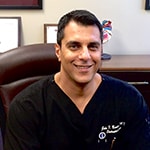
Dr. Beshai is a board-certified electrophysiologist internationally renowned and respected for his expertise and research. Having published in major medical journals and travelled all over the world to present research, he is dedicated to providing innovative, state-of-the-art care to his patients.