
Brugada Syndrome is a rare but serious heart condition that affects the heart’s lower chambers, known as the ventricles. It causes an irregular heartbeat, also called ventricular arrhythmia, which can prevent blood from circulating properly to vital organs like the brain. In some cases, this irregular rhythm may lead to complications such as fainting, heart failure, or even sudden cardiac death. While it often has no obvious symptoms, early diagnosis and management are key to preventing potentially life-threatening events.
What Causes Brugada Syndrome?
Brugada Syndrome is primarily linked to a genetic mutation that affects the heart’s sodium channels, which are essential for regulating heartbeat. When these channels do not function properly, the heart’s electrical signals can become erratic. In some cases, no genetic mutation is found, and the exact cause remains unclear. Certain triggers, including specific medications, electrolyte imbalances, or high fever, may also increase the risk of arrhythmias in people with Brugada Syndrome.
Recognizing the Symptoms
Many individuals with Brugada Syndrome show no symptoms, making it difficult to detect. When symptoms do occur, they may include:
- Dizziness or lightheadedness
- Fainting or near-fainting episodes
- Palpitations or irregular heartbeat
- Rapid heart rate
- Difficulty breathing
Because these symptoms can overlap with other heart conditions, proper evaluation is essential.
How Brugada Syndrome is Diagnosed
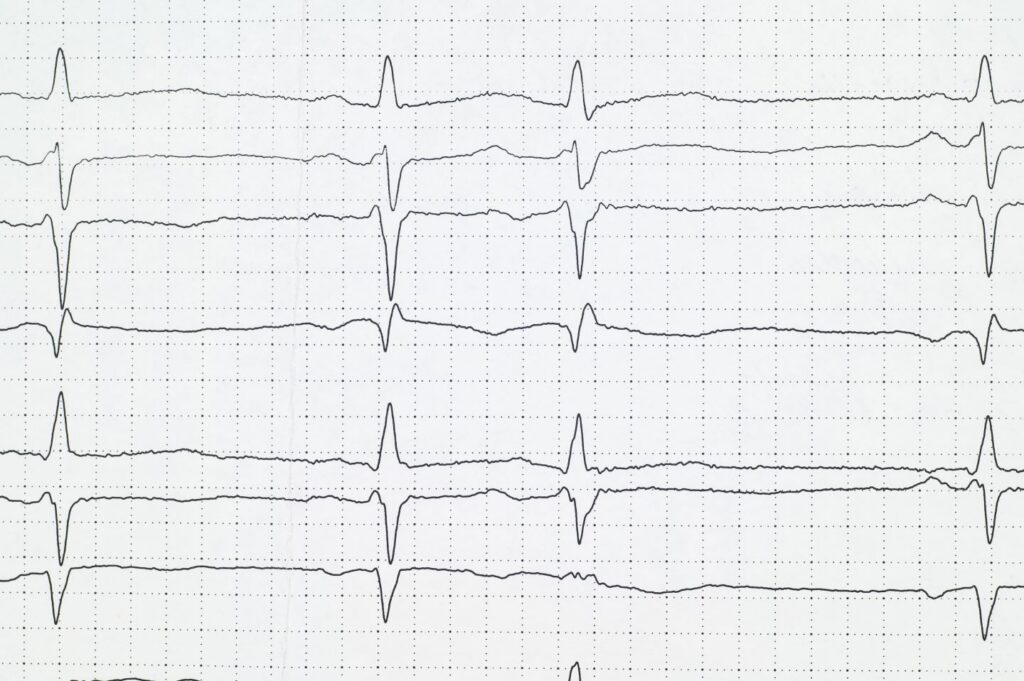
Diagnosis usually starts with an electrocardiogram (ECG), which records the heart’s electrical activity and identifies abnormalities in rhythm. For a more detailed assessment, an electrophysiology (EP) study may be recommended. This minimally invasive test uses a catheter to measure electrical signals inside the heart and pinpoint the source of irregular activity.
Treatment Options
Brugada Syndrome is typically managed based on the severity of symptoms and risk of complications. Medications are rarely used; instead, a device called an implantable cardioverter defibrillator (ICD) is often recommended. An ICD monitors the heart continuously and delivers an electric shock if a dangerous arrhythmia occurs, helping to prevent sudden cardiac events.
For some patients, lifestyle adjustments, avoidance of certain medications, and regular follow-ups with a cardiologist may also be part of a comprehensive management plan.
The Importance of Early Detection
Because Brugada Syndrome can be silent yet life-threatening, early detection is critical. Individuals with a family history of sudden cardiac death, unexplained fainting, or diagnosed arrhythmias should consider evaluation even if they feel healthy. Identifying the condition early allows for timely intervention and peace of mind.
Taking the Next Step
If you experience symptoms of Brugada Syndrome, have a family history of sudden cardiac events, or are concerned about your heart rhythm, consulting a trusted cardiologist or electrophysiologist is the best first step. Diagnostic testing and individualized management plans can significantly reduce risk and help you maintain a healthy, active life.
For more information on Brugada Syndrome, or to schedule an evaluation with Dr. Besahi at the Heart Rhythm Institute, visit the Brugada Syndrome page or contact us to discuss your next steps.

Dr. Beshai is a board-certified electrophysiologist internationally renowned and respected for his expertise and research. Having published in major medical journals and travelled all over the world to present research, he is dedicated to providing innovative, state-of-the-art care to his patients.